Why Your Toilet Keeps Running
Three parts explain why a toilet keeps running: the inlet valve, the flush-valve seal, or the water level climbing past the overflow. It is nearly always a single worn part rather than a suite heading for the skip. Our Banksia Beach plumbers sort them out every week, and every job is done by a licensed plumber.
If we're late, $100 comes off your bill

- Licensed and InsuredEvery job done by a licensed plumber. QBCC No: 15024607
- Fixed Quote FirstFlat-rate pricing, agreed before any work starts
- Lifetime Labour WarrantyBacked by our Fix-It-or-It's-Free guarantee (T&Cs apply)
- $0 Call-Out FeesNo extra charge for nights, weekends or public holidays
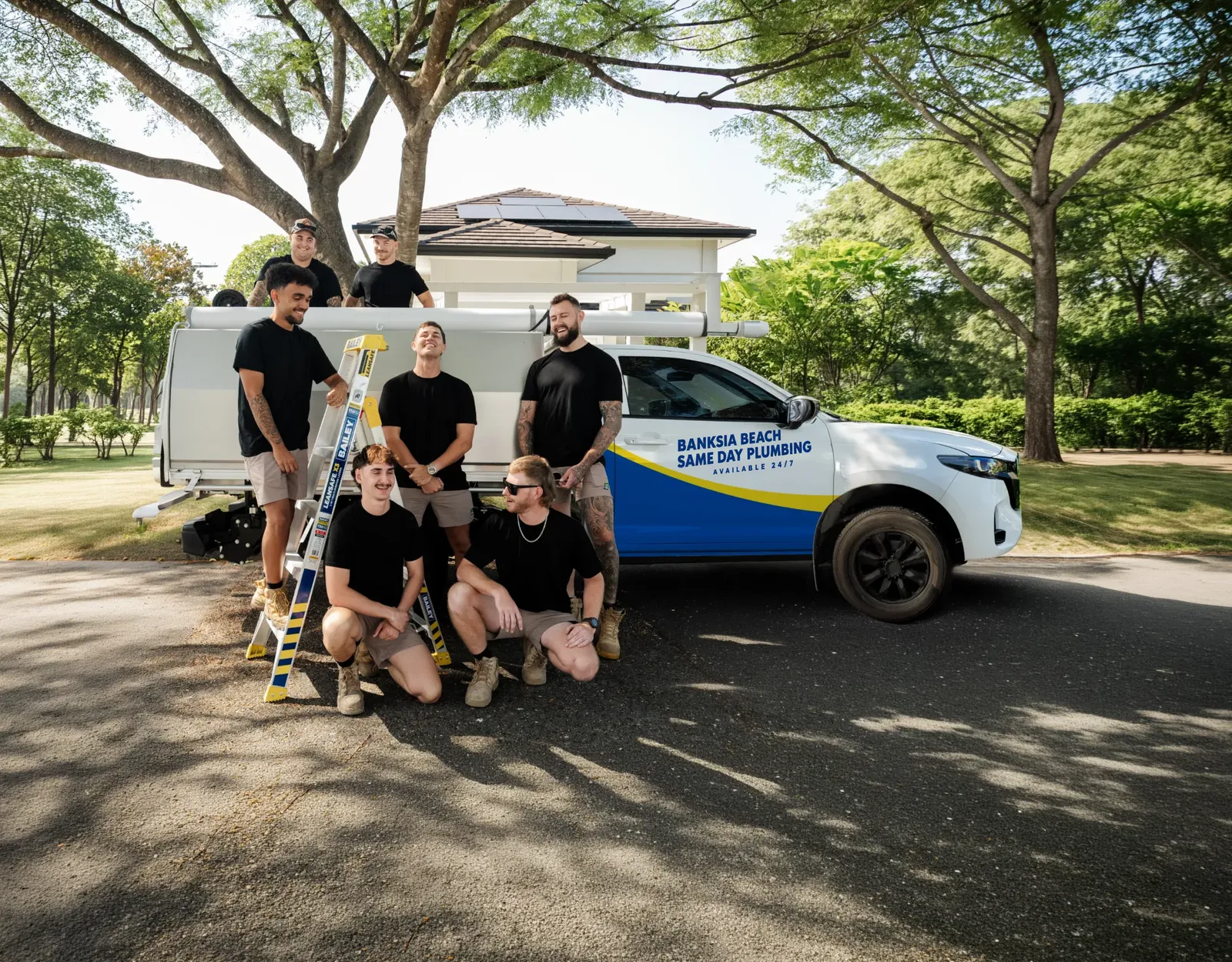
Houses here range from 1960s builds through to the 2000s, so we see cisterns of every vintage, from half-century-old single-flush units to the plastic dual-flush boxes of the canal estates. The faults, though, stay the same three.
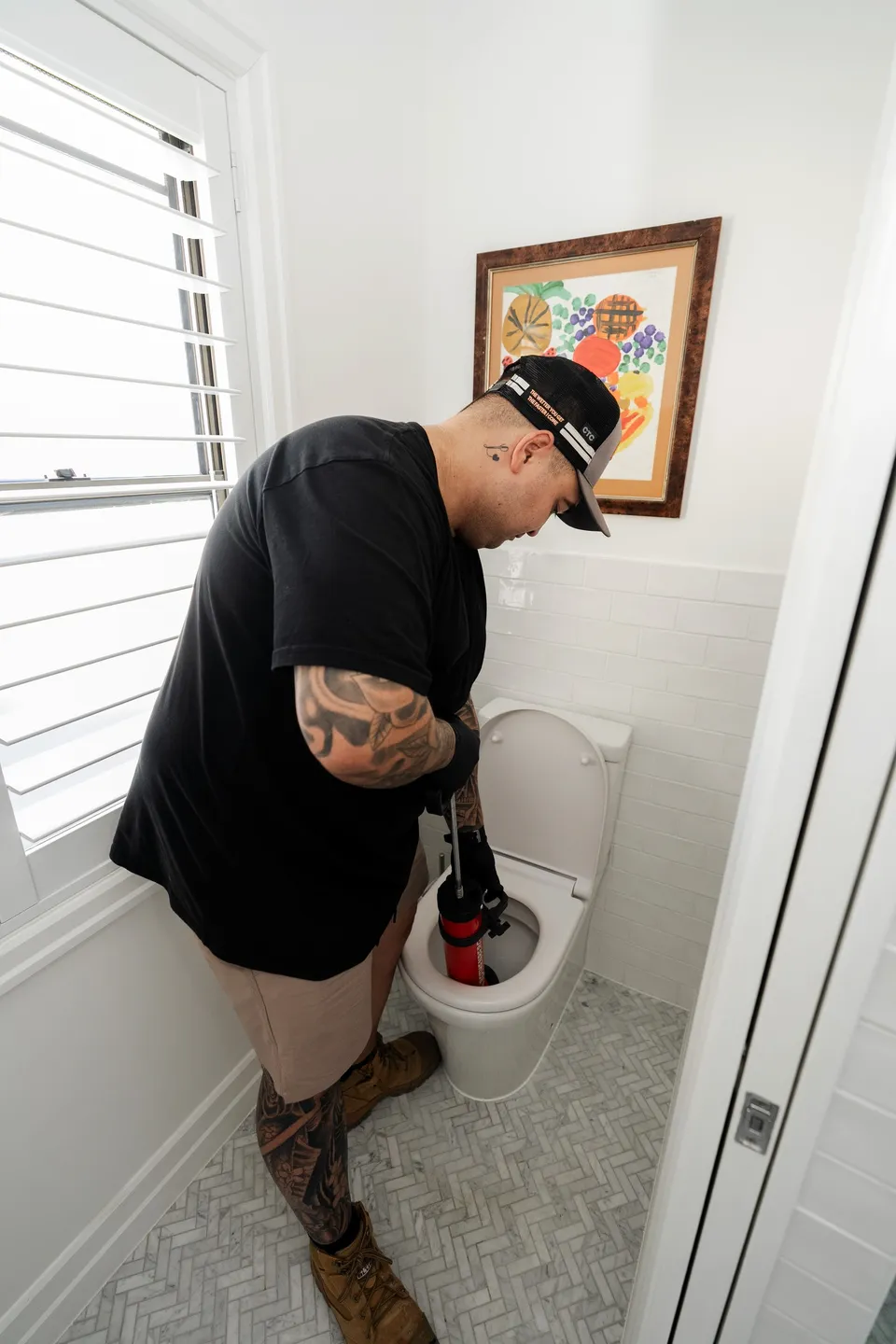
Inlet Valve, Flush Valve Seal and Overflow Explained
A running toilet comes down to an inlet valve that fails to close, a flush-valve seal weeping water into the bowl, or a water level high enough to spill through the overflow. Each one leaves a different sign, so the noise tells you where to look.
The inlet valve is the small tap inside the cistern that refills it after a flush; it closes once the float rises to its set point. Hissing or trickling that continues after the cistern is full means the inlet valve isn't shutting off.
The flush valve is the outlet in the bottom of the cistern, and its rubber seal holds the stored water in until you press the button. A cistern that refills itself every few minutes, with nobody flushing, means that seal is passing water.
The overflow is the built-in spillway that carries surplus water away to the pan instead of onto your floor. Water spilling down it, including a drip from the overflow pipe outside the wall, means the level is set too high and the float or inlet valve needs attention.

Slow, Partial or No Refill After a Flush
Three faults leave a cistern slow to fill, partly filled or empty: an inlet valve blocked or worn, a float sitting below its mark, and a stop tap only part-way open. The first two are jobs for a plumber; the third you can rule out in a moment.
The stop tap sits on the supply line beside the cistern, and one that has been knocked part-closed starves the refill. If it is fully open and the supply is on, the problem lives inside the cistern.
There is a telling variation on this fault. When water runs yet the level stays low, the flush-valve seal may be draining the cistern as quickly as the inlet valve fills it, so the two faults can look identical from outside.
Which Cistern Parts a Home Owner May Replace
The QBCC names three cistern parts as unregulated work that a capable owner may repair or replace: a drop-valve washer, a float-valve washer and a suction-cup rubber. No licence or paperwork is needed for those three, though the finished job must still comply with the standards.
Everything else inside a toilet is minor work in Queensland, which means a licensed plumber has to do it, with no permit involved. We handle the faults we fix across that whole list, from inlet and outlet valves to buttons and pan connections.
Rentals follow their own track. Queensland tenancy law gives the owner or manager the repair duty, and the tenant must report a fault promptly.
One wrinkle worth knowing: the tenancy Act's emergency list covers a toilet that blocks or breaks entirely, but a cistern that merely runs doesn't make that list. That repair counts as routine, done in a reasonable timeframe after the report.
The Dye Test for a Leaking Cistern
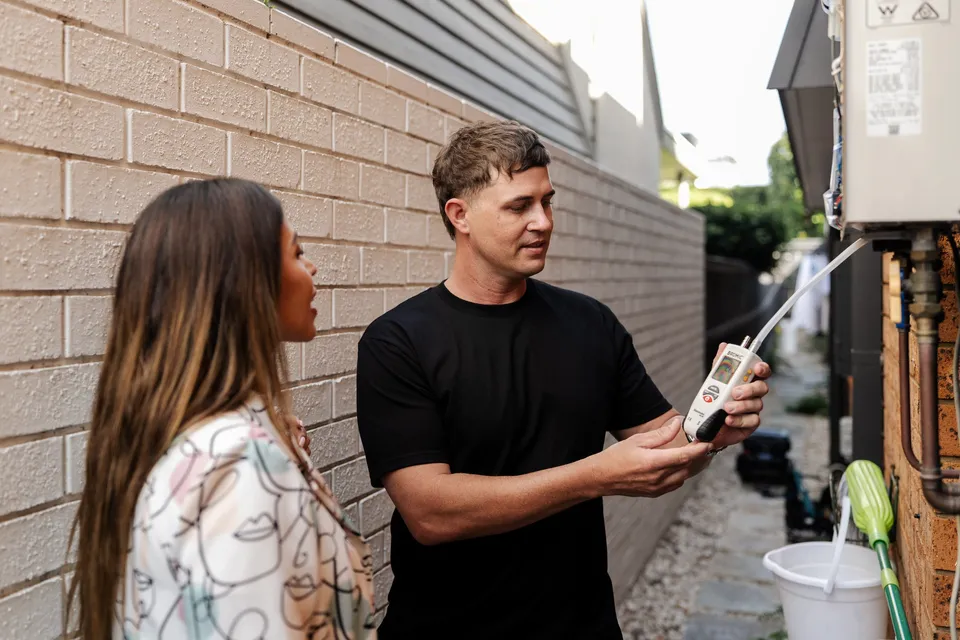
The test takes a bottle of food colouring and nothing else, and it tells you in one look whether the flush-valve seal is leaking:
- Drip enough food colouring into the cistern water to tint it clearly.
- Leave the toilet alone, with no flushing, while you wait.
- Check the bowl. Colour appearing there tells you water is getting past the flush-valve seal and running into the pan.
- Flush the colour away once you have read the result; the dye leaves no mark on a ceramic pan.
A bowl that keeps its colour means the flush valve is holding, and the float and inlet valve are the next suspects.
No colouring in the cupboard? Lay a strip of dry toilet tissue high inside the bowl, above the waterline. Dry tissue means no leak; damp tissue means the same leak the dye test would show.

Who Pays for Water a Cistern Wastes
No, the concealed-leak adjustment Unitywater offers excludes water wasted through a leaking cistern. The adjustment exists for hidden pipe bursts under ground, and cisterns sit squarely outside it.
The property owner holds primary responsibility for leaks on their side, and that includes the water a running cistern pours away. At the last census the median age here was 59. More than half the homes were owned outright, so the bill for a wasting cistern usually lands on the person who books the repair.
That makes the dye test worth running early. A seal that quietly runs for months costs more in water than the repair itself.
Running Toilet Questions Answered
Call (07) 3523 7121Why is my toilet cistern not filling in my Banksia Beach home?
Usually the culprit is a tired inlet valve, a float set too low, or a stop tap only partly open. If water runs and the level never rises, the flush-valve seal is likely emptying the cistern as fast as the valve refills it.
Will food colouring stain my toilet bowl?
No, food colouring won't stain a ceramic bowl, and one flush afterwards clears it completely. The dye simply shows whether water is slipping past the flush-valve seal, so it's a safe check to run before you call anyone.
Which cistern parts can I legally replace myself in Queensland?
The QBCC's unregulated work list names the drop-valve washer, the float-valve washer and the suction-cup rubber. Anyone with the know-how may swap those three, and the finished job must still comply with the standards. Every other toilet repair is work for a licensed plumber.
What does it cost to fix a running toilet in Banksia Beach?
Two things shape the quote: the part that has failed, and how easily we can access the cistern and the isolation tap. You'll see a fixed quote before any work starts, so the figure is settled before we touch a thing.

Call Us About the Running CisternWe'll call you back.
Phone (07) 3523 7121 for a licensed plumber in Banksia Beach. We work under QBCC No: 15024607, with flat-rate pricing, no hidden fees and same-day where we can.
To claim your $0 call-out fee, call (07) 3523 7121 today.